


Immunotherapy
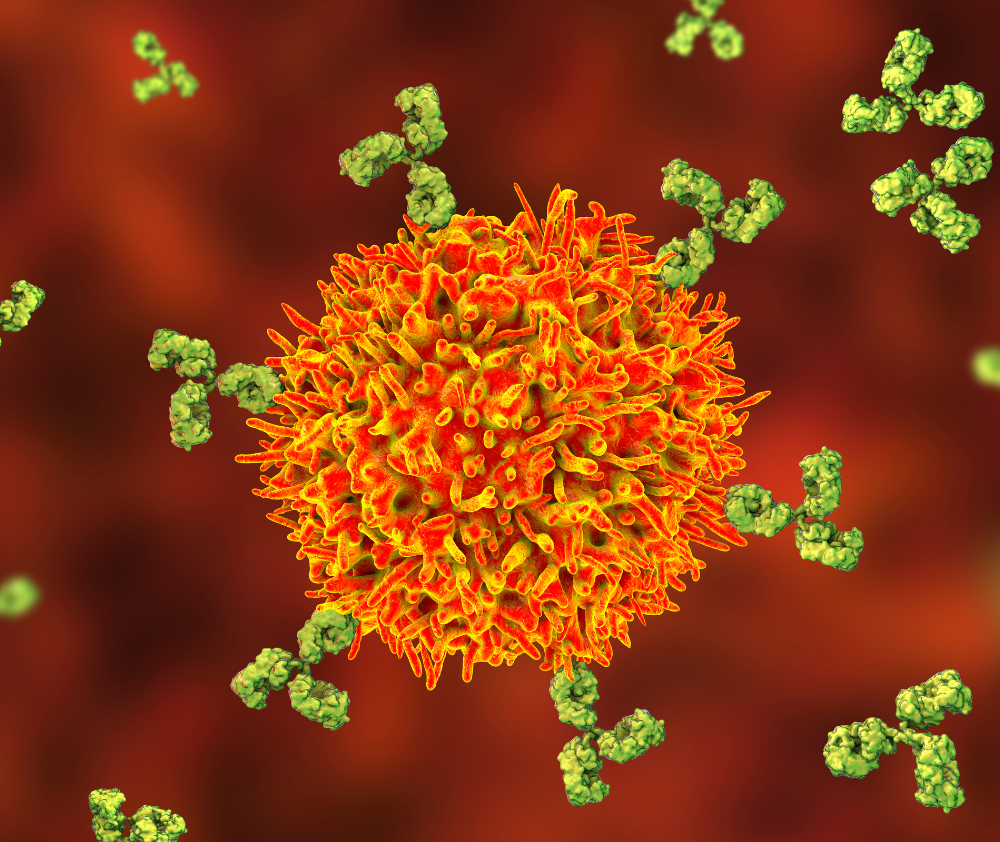
Immunotherapy works by modulating the immune system to fight diseases more effectively. It can strengthen the body’s natural immune response or introduce changes that direct immune reactions in a more efficient way. One of the key mechanisms is the stimulation of immune cells such as T lymphocytes, which increases their ability to recognize and eliminate pathogens.
An important element of immunotherapy is the use of antibodies that bind to specific targets in the body, such as toxins or pathogens, marking them for the immune system. In some cases, modified immune cells from the patient are used; after genetic alterations, they can respond to certain threats more precisely and effectively.
Immunotherapy can also regulate an overactive immune system, alleviating symptoms of autoimmune diseases. It works by suppressing abnormal reactions of the body against its own tissues, restoring balance in immune system functioning. Additionally, some therapies are aimed at increasing the body’s tolerance to allergy-causing substances, gradually reducing their impact on the patient’s health.
These mechanisms demonstrate the comprehensive possibilities immunotherapy offers in treating and supporting the body in the fight against various health problems.
Applications of immunotherapy:
-
Autoimmune diseases: In some cases, immunotherapy can be used to modulate an overactive immune system. It is used in conditions such as rheumatoid arthritis, multiple sclerosis, or lupus.
-
Allergies: Immunological therapies can help reduce allergic reactions by desensitizing the body to allergens.
-
Infectious diseases: Supporting the immune system in combating chronic viral or bacterial infections.
Benefits of Immunotherapy
Immunotherapy is a groundbreaking treatment method that harnesses the potential of the immune system to combat diseases such as cancer, autoimmune disorders, and chronic infections. Its use brings a range of benefits, both for patients and for the effectiveness of the treatment itself.
Targeted action
Immunotherapy works precisely, attacking only diseased cells or mechanisms associated with pathology without damaging healthy tissues. As a result, it minimizes side effects, which are common with traditional treatment methods.
Lower risk of disease recurrence
The immune system “learns” to recognize and eliminate pathogenic cells or pathogens. Thanks to this “immunological memory,” the risk of disease recurrence is reduced.
Long-lasting therapeutic effect
Immunotherapy often induces a durable response in the body, allowing effective control of the disease even after the treatment ends. This is crucial in the management of chronic conditions.
Personalized treatment
Immunotherapy methods, such as therapies using monoclonal antibodies or CAR-T lymphocytes, can be tailored to the specific needs of the patient. This personalization increases the effectiveness of therapy and improves prognosis.
Milder side effects
Although immunotherapy can also cause adverse effects, they are usually less burdensome compared to traditional treatment methods. Moreover, many of these effects can be effectively managed.
Improved quality of life
Due to lower toxicity and effective action, immunotherapy can significantly improve patients’ quality of life, allowing them to function daily with less burden from treatment.
Innovation and the future of medicine
Immunotherapy represents a modern approach to treatment, which is constantly being developed. It opens the door to new therapies and offers hope for patients for whom traditional methods have not been sufficient.